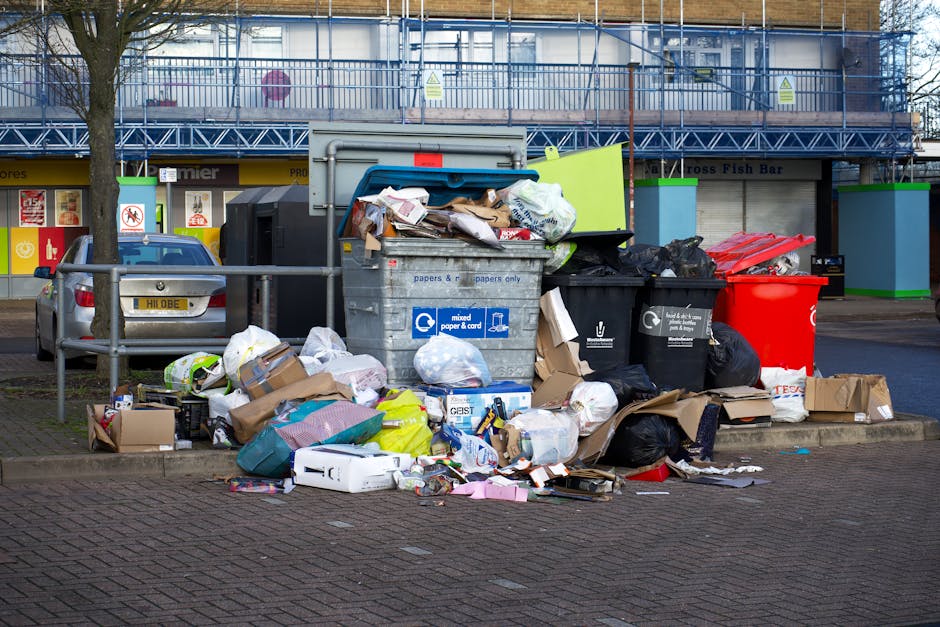
Shepperton rubbish removal guide for TW17 homes
If you live in TW17 and the rubbish is starting to take over the hall, the garden, the garage, or that awkward corner of the loft, you are not alone. The practical side of home life has a habit of building up quietly, then all at once it becomes a proper job. This Shepperton rubbish removal guide for TW17 homes is here to make that job feel simpler, safer, and much more manageable.
Whether you are clearing after a move, tackling old furniture, sorting builders' debris, or just reclaiming space before it gets embarrassing, the right approach can save time and a fair bit of stress. Below, you will find how rubbish removal works in Shepperton, what to watch out for, the best methods for different situations, and the small details people often miss until the last minute. Let's face it, the last thing you want is to half-plan a clearance and end up with bags sitting in the driveway for another week.
Quick expert summary: For TW17 homes, the best rubbish removal plan is usually the one that matches the type of waste, access at the property, and how quickly you need the space back. Mixed household clutter, bulky items, and odd jobs are often easier with a flexible clearance service, while heavy construction waste and special items need a more careful approach. If you want a broader overview of disposal options, waste removal and pricing and quotes are useful starting points.
Table of Contents
- Why Shepperton rubbish removal guide for TW17 homes Matters
- How Shepperton rubbish removal guide for TW17 homes Works
- Key Benefits and Practical Advantages
- Who This Is For and When It Makes Sense
- Step-by-Step Guidance
- Expert Tips for Better Results
- Common Mistakes to Avoid
- Tools, Resources and Recommendations
- Law, Compliance, Standards, or Best Practice
- Options, Methods, or Comparison Table
- Case Study or Real-World Example
- Practical Checklist
- Conclusion
- Frequently Asked Questions
Why Shepperton rubbish removal guide for TW17 homes Matters
Rubbish removal sounds straightforward until you actually start doing it. Then the details appear: what counts as household waste, what is too bulky for a normal bin day, how to move heavy items without damaging walls or backs, and what to do with awkward things like fridges, broken mattresses, or garden waste mixed with general clutter.
For TW17 homes, this matters for a few practical reasons. Properties in and around Shepperton can range from compact flats to older family homes with narrow paths, tight side access, loft spaces, garages, and sheds that have quietly become storage units for years. All of that affects how waste should be removed. A one-size-fits-all approach rarely works very well.
It also matters because rubbish is not always just rubbish. A pile from a spring clear-out may include furniture, electricals, packaging, old paperwork, and maybe a few items that need special handling. If you do not separate those properly, you can create delays or extra cost. Sometimes the simplest-looking job becomes the fussiest one. Slightly annoying, but true.
There is also the neighbour factor. In a built-up street, nobody wants bags blocking the pavement or a weekend of dragging heavy junk over the driveway while everyone is trying to get on with their day. A tidy, organised removal process is less disruptive and usually quicker overall.
If you want the job to stay neat from the outset, it helps to think of rubbish removal as a planning task, not just a lifting task. That mindset alone saves a lot of faff.
How Shepperton rubbish removal guide for TW17 homes Works
Most home rubbish removal in TW17 follows a similar pattern, even if the exact service differs. First, you identify what needs to go. Then you work out the type and volume of waste. After that, you choose the method: a full property clearance, a furniture-focused collection, a loft or garage clear-out, a builders waste pick-up, or a general waste removal visit.
The practical part usually looks like this:
- Sort the waste by type. Separate general household rubbish, bulky items, garden waste, construction debris, and anything that may need special handling.
- Check access. Note whether the waste needs carrying through the house, down stairs, from a rear garden, or through a narrow side passage.
- Estimate the volume. A few black bags is very different from a room full of furniture or a garage packed to the rafters.
- Consider special items. Fridges, mattresses, sofas, and appliances often need specific handling and sometimes separate disposal arrangements.
- Book the right service. Match the job to the service, such as house clearance, garage clearance, garden clearance, or loft clearance.
- Prepare the area. Put aside anything you want to keep, clear walkways, and make sure valuable or personal items are not mixed in by mistake.
In a typical Shepperton home, the biggest time-saver is preparation. Ten minutes of sorting often saves half an hour of confusion later. That sounds basic, but it really is one of the most useful things you can do.
If you are dealing with a lot of mixed clutter, home clearance is often the most flexible route. If the issue is mainly old household items, furniture disposal or furniture clearance may be more appropriate. For appliance-heavy jobs, fridge and appliance removal can be the sensible choice.
Key Benefits and Practical Advantages
The most obvious benefit is space. That is the headline, really. But the best rubbish removal for TW17 homes brings a few less obvious advantages too.
- Less stress: You are not juggling skip permits, lifting heavy items on your own, or making multiple trips to the tip.
- Better safety: Heavy furniture, broken glass, sharp timber, and damp waste can all cause injuries if handled badly.
- Cleaner finishes: A proper clearance leaves the area usable again, not half-finished with stray bits everywhere.
- Faster results: For many households, it is quicker to have waste removed in one planned visit than to stretch the job across several weekends.
- More suitable for awkward access: Not every TW17 property has an easy driveway or front garden. Some access routes are just plain awkward.
- Useful for mixed projects: Renovations, downsizing, bereavement clearances, and move-outs often produce a jumble of waste types. A broad service can handle that mix more smoothly.
There is also a quiet emotional benefit. A cleared room, a tidier garage, or an empty loft changes how a home feels. You notice the light again. You hear less clutter underfoot. It sounds small until it happens, then it feels surprisingly good.
For people comparing methods, the right service can also be more cost-effective than it first appears. Not because it is always cheapest on paper, but because it reduces the hidden costs of time, fuel, multiple journeys, and accidental damage.
Who This Is For and When It Makes Sense
This guide is for anyone in TW17 who needs rubbish removed from a home, flat, or domestic outbuilding. That includes a lot of different situations, and honestly, most people reach the same point from very different directions.
You may need rubbish removal if you are:
- moving house and clearing items you do not want to take with you
- renovating a kitchen, bathroom, bedroom, or garden area
- emptying a loft, garage, or shed that has been used as storage for years
- disposing of bulky furniture, mattresses, or broken appliances
- sorting after tenants have left items behind
- helping a family member downsize
- clearing builders' debris after DIY work
It also makes sense if the waste is too much for your regular collection, too heavy to lift alone, or too awkward to move safely. That is often the point where people realise a "quick tidy" has become a genuine clearance job. Happens all the time.
For smaller, focused jobs, a targeted service can be enough. A sofa, for example, is not the same as a full house clearance. You would likely look at mattress and sofa disposal if the main problem is one or two large items. If you are dealing with clutter from a more general tidy-up, house clearance is usually a better fit.
Step-by-Step Guidance
If you want to handle rubbish removal sensibly, the best approach is to break it into clear stages. Nothing fancy. Just a clean sequence that keeps the job under control.
- Walk through the property. Note every area that needs attention: kitchen, garden, loft, garage, spare room, or shed.
- Decide what stays and what goes. Use labels, tape, or simple piles. Keep it obvious. When in doubt, pause rather than toss it.
- Pull out special items first. Separate fridges, mattresses, confidential papers, hazardous materials, and anything that may need dedicated disposal.
- Estimate the load. A few items can often be handled differently from a full room or multiple rooms.
- Check access and timing. Think about parking, stairways, pets, neighbours, and whether someone must be present.
- Compare the right service type. Choose between waste removal, flat clearance, builders waste clearance, or a more specific service depending on the materials involved.
- Prepare the items for collection. Move loose rubbish into a clear area and make sure anything valuable is separated out.
- Confirm payment and booking details. A little clarity here avoids awkwardness on the day.
For bigger jobs, one useful trick is to clear from the top down and from the back to the front. Loft first, then garage, then main rooms, then garden. It creates momentum. You can see progress, which helps more than you might expect.
And if the job feels too large once you start, that is a sign to stop overthinking it and get help rather than pushing through badly. No medal for doing a clearance the hard way.
Expert Tips for Better Results
Here are the details that usually make a rubbish removal job go more smoothly in Shepperton.
- Take photos before booking. Not because anyone needs a dramatic evidence file, but because clear images help you describe the job accurately.
- Separate reusable items early. If furniture or appliances still have life left in them, keep them apart from broken waste. It helps avoid accidental disposal.
- Keep a no-mix zone. One pile for stay, one pile for go. It sounds almost too simple, but it prevents costly mistakes.
- Think about weight as well as volume. A small pile of rubble can be far harder work than a big pile of cardboard.
- Check whether anything is classed as hazardous. Paints, chemicals, oily containers, gas canisters, and similar items need special care.
- Plan around access bottlenecks. Narrow hallways, low loft hatches, and steep steps can all slow things down.
- Be realistic about time. A three-hour DIY plan often turns into a six-hour one. There, I said it.
If you are clearing a property on a tight deadline, it can help to prioritise the biggest visual wins first. Removing a sofa, old bed, or stack of broken furniture immediately changes the feel of a room and makes the rest easier to manage.
For items that need specialist handling, it is better to use the dedicated page than to force them into a general clearance. Hazardous waste disposal matters for safety, and it should not be treated casually.
Common Mistakes to Avoid
Most clearance headaches are preventable. The trick is spotting the usual mistakes before they cost you time or money.
- Not checking what is actually included. People often assume every item is handled the same way. It is not.
- Leaving sorting until collection day. That is how useful items get mixed in with waste.
- Ignoring access issues. A perfectly good plan can fall apart if the collection point is blocked by parked cars or garden furniture.
- Mixing special waste with general rubbish. This is a common cause of delays and extra handling.
- Forgetting about upstairs items. Loft clearances and top-floor flats need more care than ground-floor jobs.
- Choosing the wrong disposal route for bulky furniture. It is worth matching the item to the service, such as mattress and sofa disposal or furniture clearance.
- Assuming all waste is the same. Garden cuttings, rubble, old paperwork, and appliances are not interchangeable. Obvious, yes. Still gets missed.
One small but important mistake is underestimating the emotional side of clearances. A garage, loft, or family home can hold years of memories. People often pause halfway through because an item triggers a thought, a smell, or a story. That is normal. It just means the job needs a little patience.
Tools, Resources and Recommendations
You do not need a van full of equipment for every job, but having the right basics makes the process much less frustrating.
| Tool or resource | Why it helps | Best for |
|---|---|---|
| Heavy-duty bin bags | Good for lighter general waste and sorting | Small declutters, bagged rubbish |
| Gloves and sturdy shoes | Protects hands and feet from sharp or damp waste | Any hands-on clearance |
| Labels or tape | Makes keep-and-remove decisions clearer | Households with mixed items |
| Dust sheet or tarp | Helps protect floors and create a clean staging area | Lofts, hallways, busy homes |
| Measuring tape | Useful for bulky items and access checks | Sofas, appliances, tight spaces |
| Photo reference | Helps compare options and avoid misunderstandings | Quoted jobs and large clearances |
For guidance on what may fit in a skip-style load, what can go in a skip is a useful reference point. It helps people compare mixed waste, household items, and awkward materials without guessing.
And for households that care about the end destination of waste, recycling and sustainability is worth reading alongside any clearance decision. You do not need to become an expert in waste streams overnight, but knowing that some materials can be separated and reused is helpful.
Law, Compliance, Standards, or Best Practice
When rubbish removal touches home contents, electrical items, heavy waste, or potentially hazardous materials, it is wise to treat compliance as part of the job, not an afterthought. In the UK, householders still have a responsibility to make sure waste is passed to a legitimate carrier and handled properly. You do not need to become a legal specialist, but you should be cautious.
Best practice for TW17 homes usually means:
- not leaving waste on the pavement or verge without proper arrangements
- keeping hazardous items separate from general rubbish
- making sure confidential documents are not tossed into open mixed waste
- checking that the company you use follows sensible safety and disposal procedures
- ensuring fragile access points, flooring, and shared spaces are protected during the clearance
For trust and safety, it is sensible to look for clear policies. A reputable provider should be open about how it handles safety, payments, and insurance. That is why pages such as health and safety policy, insurance and safety, and payment and security matter more than people sometimes realise.
If you are disposing of personal paperwork as part of a home clearance, confidential shredding is the safer route than binning paperwork with addresses, account details, or old records. It is one of those details that is easy to forget until you are holding a bundle of old files in your hand.
Finally, always read terms before booking. A clean, plain-English set of terms and conditions helps set expectations around what is included, what may cost extra, and how the process works if access or waste type changes on the day.
Options, Methods, or Comparison Table
There is more than one way to clear rubbish from a TW17 home, and the best choice depends on the size of the job, the type of waste, and how much effort you want to put in yourself.
| Method | Best for | Pros | Trade-offs |
|---|---|---|---|
| General waste removal | Mixed household rubbish and small-to-medium clear-outs | Flexible and straightforward | May not suit specialist waste |
| House or home clearance | Whole rooms, move-outs, bigger clearances | Comprehensive and efficient | Needs more planning |
| Furniture disposal | Sofas, tables, wardrobes, beds | Good for bulky items | Not ideal for mixed waste |
| Loft or garage clearance | Stored clutter and long-neglected spaces | Targets hidden problem areas | Access can be awkward |
| Builders waste clearance | DIY rubble, plaster, timber, renovation debris | Better for heavier material | Requires clearer separation |
If you are unsure which route fits, ask yourself one question: are you clearing a type of item, or clearing a space? If it is the item, the narrower service often works best. If it is the space, a broader clearance may be better.
For example, a room full of mixed furniture, cardboard, and old bits from a renovation tends to suit home clearance, while a pile of rubble and timber from a bathroom refit is usually better handled as builders waste clearance. Simple distinction, big difference.
Case Study or Real-World Example
Here is a realistic TW17 scenario. A family in Shepperton has recently moved into a house where the garage has become a storage catch-all. There are old chairs, a cracked fridge, boxes of broken decorations, garden tools, and a few damp cardboard boxes that have clearly seen one too many wet winters.
At first glance, it looks like a "just throw it all out" job. But once they start sorting, three categories appear: reusable items, general rubbish, and items needing separate handling. That is where a bit of structure changes everything.
They separate the fridge for appliance removal, move the furniture into one area, and keep a few personal boxes back. The rest is grouped so it can be removed in one organised visit. The garage goes from impossible-to-use to actually useful again. Bikes fit. Storage shelves make sense. The family can hear the echo of the empty space when they walk in, which is oddly satisfying.
What made the job work was not brute force. It was the preparation: sorting first, identifying special items, and choosing the right clearance route for each category. That is the pattern worth copying.
And to be fair, most clear-outs are like that. They look chaotic until someone takes ten calm minutes and imposes order on the mess.
Practical Checklist
Use this checklist before booking or starting a clearance in your TW17 home.
- Walk through every room, loft, garage, shed, and garden area that needs attention
- Separate keep items from remove items
- Pull out valuables, documents, and sentimental items first
- Identify bulky items such as sofas, beds, wardrobes, and appliances
- Set aside anything that may need special handling
- Check access routes, parking, stairs, and narrow passages
- Take a few clear photos if you are comparing options
- Make sure pets and children are safely out of the work area
- Choose the most relevant service type for the waste
- Confirm terms, timing, and payment details before collection
If the job includes an outbuilding or long-ignored storage space, do one last scan for hidden items before collection. People often find passports, chargers, keys, old photo albums, and random but important things tucked behind boxes. Bit annoying when that happens after the van has gone.
Conclusion
The smartest way to approach rubbish removal in Shepperton is to match the method to the mess. TW17 homes come with their own quirks: narrow access, mixed storage spaces, bulky items, and the occasional job that looks small until you begin. A careful plan saves time, reduces stress, and helps you avoid the usual missteps.
Whether you are clearing a single sofa, a packed loft, a cluttered garage, or a full house, the basic principles stay the same: sort first, separate special items, choose the right service, and keep safety in mind. That is really the heart of this Shepperton rubbish removal guide for TW17 homes. Clear the space well, and the home feels lighter almost immediately.
If you want a more organised, lower-stress way to deal with home waste, start with the service information that fits your situation best and plan from there. It does not need to be dramatic. Just practical, calm, and properly done.
Get a free quote today and see how much you can save.
Frequently Asked Questions
What is the best rubbish removal option for a TW17 home?
The best option depends on what you are removing. Mixed clutter often suits general waste removal or home clearance, while bulky items, appliances, garden waste, or builders debris are usually better handled through a more specific service.
How do I know if I need a full house clearance or just rubbish removal?
If you are clearing one room or a collection of loose items, rubbish removal may be enough. If you need several rooms emptied, or you are dealing with furniture, stored items, and general waste together, house clearance is usually the better fit.
Can I mix furniture, bags of rubbish, and old appliances together?
In practice, you should not assume they will all be treated the same way. It is better to separate them first because furniture, appliances, and general waste may need different handling or disposal routes.
What should I do with an old fridge or freezer?
Fridges and freezers are best handled as appliances rather than general rubbish. A dedicated appliance removal service is usually the safer and tidier option.
Do I need to sort waste before collection?
Yes, sorting helps a lot. It makes the job safer, clearer, and often faster. Even a basic split between keep, remove, and special items makes a noticeable difference.
Is garden waste treated differently from household rubbish?
Usually, yes. Garden waste often contains soil, branches, cuttings, and other organic material that may be handled differently from mixed household waste.
What happens if I have confidential papers among the rubbish?
Do not mix them into general waste if you can avoid it. Confidential shredding is the safer route for paperwork that contains personal or sensitive information.
Are there items that cannot just go in with normal rubbish removal?
Yes. Hazardous materials, certain chemicals, gas canisters, and some electrical or bulky items may require special attention. If in doubt, treat them separately and ask before booking.
How can I make the clearance go more quickly?
Clear access routes, sort items in advance, set aside special waste, and decide what is staying before the collection team arrives. A little preparation really does speed things up.
What if my property has awkward access or tight stairs?
That is common enough in TW17 homes. Just mention it early so the job can be planned properly. Narrow access, steep steps, and loft hatches can all affect how the clearance is carried out.
Is it better to use a skip or a rubbish removal service?
It depends on the waste and how much effort you want to put in. A skip can suit certain projects, while a collection-based service can be easier for homes with limited space or awkward access.
How do I avoid overpaying for rubbish removal?
Be clear about what you need removed, sort the waste properly, and compare the right service rather than guessing. Accurate information usually leads to a more accurate price, which is what you want.
If you are still deciding, it can help to look again at the service pages that match your waste type, then work backwards from the space you want to clear. Small shift in approach, big difference in results. And once the clutter is gone, the house feels calmer than you expect. That part never really gets old.