
Complaints Procedure for Commercial Waste Shepperton
This document sets out the formal complaints procedure applicable to commercial waste services in Shepperton and the wider service area. It is intended to provide a clear, consistent and legally compliant framework for raising, recording and resolving disputes related to commercial waste collection, disposal, recycling and related contracted activities. The policy reflects statutory duties, contractual obligations and best practice in environmental services. The organisation will act in an impartial manner, ensuring that each complaint is handled with appropriate confidentiality and that decisions are taken on the basis of evidence and proportionality.Any commercial customer, authorised representative or contracting party may raise a concern about service performance, billing, contamination, health and safety or other matters connected with the provision of commercial refuse services. Complaints fall within operational, contractual or regulatory categories, and will be triaged accordingly. This procedure excludes employee grievances and external regulatory appeals but sets out how service-level issues will be investigated. The approach balances the need for timely resolution with the requirement to preserve records for audit and potential contractual review.
 To enable effective handling, complaints should include key information: the date and time of the event, the precise location or route designation, the account or contract reference where available, a clear description of the issue and any supporting evidence such as photographs, delivery dockets or contemporaneous notes. Providing the preferred outcome helps the investigating officer assess proportional remedies. The following checklist may assist submissions:
- concise summary of the concern and impact;
- relevant service reference, vehicle or crew identifiers if known;
- name of the business and the authorised contact;
- desired resolution and any constraints affecting remedial action.
Acknowledgement, Classification and Initial Response
On receipt of a complaint, the organisation will acknowledge it in writing within a defined timeframe. The acknowledgement will set out the person or team responsible for the case and the expected next steps. Complaints will be classified as minor (operational), significant (requiring full investigation) or complex (involving multiple contracts or legal considerations). Classification ensures that the response meets regulatory expectations and that high-risk matters are escalated promptly to senior staff or legal advisers when necessary.
Stages of Handling and Investigation
Stage 1 seeks immediate, pragmatic resolution: frontline teams will attempt to resolve straightforward matters rapidly, normally within five working days. Stage 2 is a formal investigation: a complaints officer will assemble evidence, review operational logs, interview relevant staff and, where appropriate, review CCTV or vehicle telemetry. Stage 3 provides senior management review or internal audit for complaints that remain unresolved or that raise systemic governance concerns. Each stage will be documented and the complainant kept informed of progress and outcomes.Timeframes are proportionate to the nature and complexity of the complaint. Routine matters are typically closed within 20 working days; complex investigations may require extensions, in which case the complainant will be updated with reasons for delay and an estimated resolution date. All records created during the process will be retained in accordance with data protection rules and corporate retention schedules to ensure a clear audit trail for compliance and potential dispute resolution.
Outcomes from the complaints process will be recorded in a final written response and may include remedial service action (for example, an expedited collection or operational adjustment), a financial adjustment where loss is demonstrated, a remedial training programme for staff or a formal apology where appropriate. Remedies will be proportionate to the impact of the failure and consistent with contractual terms and company policy. Appeals against findings will be considered under the internal review stage and will prompt a fresh examination of the evidence by a senior manager independent of the original decision.
 If a matter is not resolved to the complainant’s satisfaction after the internal process, the organisation will explain the available escalation pathways under contract or regulation, which may include independent review or arbitration subject to the terms of the contract. The company will cooperate with independent investigators or appointed third-party reviewers, whilst preserving legal privilege and respecting data protection obligations. The rationale for escalation decisions will be documented and shared with the complainant, subject to legal constraints.
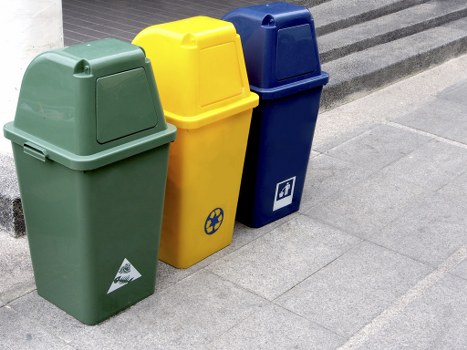 Quality assurance, learning and continuous improvement form an integral part of the complaints regime. Complaints data is analysed to identify recurring issues, inform operational change, guide training and improve customer communications. The complaints register is reviewed periodically by senior management and used to measure remedial effectiveness, reduce recurrence and strengthen compliance with environmental and waste management requirements. The organisation commits to transparent reporting of systemic issues while maintaining confidentiality of individual complainants where required.
Records of complaints, steps taken and resolutions will be retained to support accountability and, where appropriate, legal or contractual review. The organisation will use documented outcomes to refine service-level agreements, adjust operational procedures and, where required, update contractual terms to reduce future disputes. Regular audits will assess the effectiveness of the complaints process, ensuring that corrective actions are implemented and that lessons learned are integrated into performance measures and operational planning.
Throughout the complaints life cycle, the organisation will ensure that fairness, transparency and proportionality guide decision-making. Staff involved in complaints handling will receive training in evidence collection, impartial investigation and appropriate recordkeeping. Complaints that reveal regulatory non-compliance will trigger remedial action and may be reported to the relevant oversight body depending on statutory obligations and the severity of the breach.
The company is committed to continuous improvement of commercial refuse services and to maintaining a complaints procedure that is robust, legally defensible and constructive. This procedure will be reviewed periodically to reflect changes in legislation, contract practice and operational experience, thereby supporting high service standards across commercial waste operations in the Shepperton service area and beyond.
