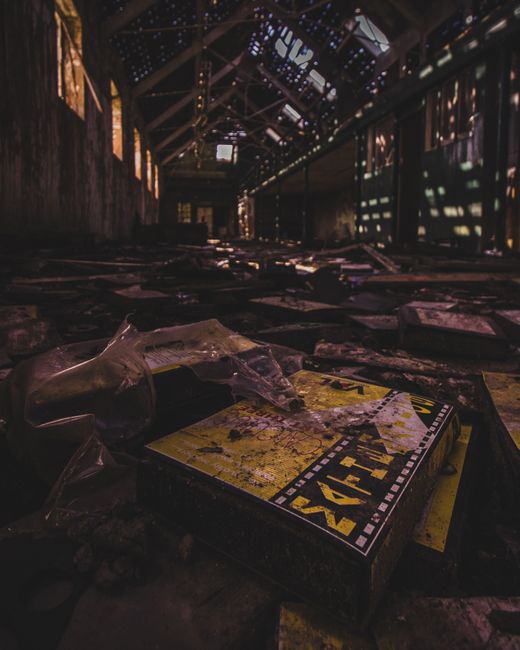
Shepperton Studios bulky rubbish removal case study

If you are trying to understand how Shepperton Studios bulky rubbish removal case study projects are planned and delivered in the real world, you are in the right place. Studio sites are not like ordinary commercial premises. They can be tight on access, sensitive to disruption, and full of mixed, awkward items that need careful handling. One wrong move and you are dealing with delays, blocked walkways, or waste that should never have been left in the wrong pile in the first place.
This article breaks down what bulky rubbish removal around a film or production environment typically involves, why it matters, how the process works, and what to watch out for if you are managing a similar clearance. You will also find a practical checklist, a comparison table, and a realistic example of how a studio clearance can be approached without turning the place upside down. Not glamorous, perhaps, but very useful.
Why Shepperton Studios bulky rubbish removal case study Matters
Studio clearance work has a different pressure profile from a standard office or domestic job. There may be production deadlines, set changes, night work, safety restrictions, fragile equipment nearby, and a constant need to keep people moving through the site. Bulky rubbish is not just "stuff in the way"; it can become a schedule problem very quickly.
That is why a Shepperton Studios bulky rubbish removal case study is useful. It shows how clearance work fits into a working production environment, where disruption is costly and space is always at a premium. Think of oversized timber offcuts, broken furniture, old prop materials, staging, pallets, redundant fixtures, packaging, and general mixed bulky waste. The issue is rarely one item. It is the accumulation.
There is also a trust angle. Studio sites often need suppliers who understand how to work quietly and cleanly, with proper documentation, sensible timing, and awareness of site rules. A rushed sweep-through may remove waste, but it may also create new problems. In our experience, the best results come from teams that plan the route, the load order, and the handover before a single item is lifted.
For wider commercial waste handling, it often helps to compare the job against broader services such as business waste removal and general waste removal, because studio clearances often sit somewhere between those two worlds: commercial, but highly operational.
How Shepperton Studios bulky rubbish removal case study Works
Bulky rubbish removal in a studio environment usually follows a practical sequence rather than a one-size-fits-all template. The site team identifies what needs to go, checks whether any items need special handling, agrees timings, and then clears the waste in a controlled way. Simple on paper. Slightly more involved on the ground.
A good process usually starts with a visual assessment. This might be a walkaround, photographs, or a written list of the waste streams. The point is to separate bulky general waste from anything that needs extra care, such as electrical items, sharp offcuts, confidential material, or anything potentially classed as hazardous. It is far easier to sort this early than to discover a problem halfway through loading.
Then comes access planning. On a studio site, the route from waste point to vehicle matters. You want to know where the waste is located, whether there are lifts, stairs, narrow corridors, dock access, loading bays, or time restrictions around deliveries. If a clearance crew turns up without understanding those details, the job can become messy fast. And nobody needs that first thing on a wet Tuesday morning.
For mixed loads, furniture and fixtures often feature heavily. The site may also need support with items like chairs, benches, shelving, soft seating, wardrobes, or old fit-out materials. In those situations, specialist services such as furniture clearance and furniture disposal can be relevant parts of the wider clearance plan.
Once loaded, the waste should be separated for reuse, recycling, or disposal where appropriate. That is not just good manners; it is usually the sensible commercial choice. Items should also be transported legally and responsibly, with the right records kept by the waste carrier. The practical takeaway: the process works best when it is treated as a controlled operation, not a last-minute tidy-up.
Key Benefits and Practical Advantages
A well-run studio bulky rubbish removal job brings more than a clear floor. It supports the wider operation of the site. Here are the main advantages, in plain English.
- Reduced downtime: waste is removed before it interferes with production activity, deliveries, or set changes.
- Safer working areas: fewer trip hazards, blocked exits, and unstable piles of waste.
- Better use of space: studio space is valuable, and bulky rubbish eats it up surprisingly quickly.
- Cleaner handovers: if one department is handing over to another, a cleared area is much easier to inspect and use.
- Improved compliance: properly handled waste is easier to document and easier to defend if anyone asks awkward questions later.
- Less stress for staff: crews and facilities teams can focus on their real work instead of moving the same old stack around for the third time.
There is also a less obvious benefit: a tidy, controlled clearance can protect morale. Studio teams tend to work under pressure, and clutter makes everything feel harder. A cleared route, a visible floor, and a sensible waste layout can change the mood of a space almost immediately. It sounds small. It is not small.
When bulky items overlap with appliances, office kit, or soft furnishings, it may be useful to review related disposal routes such as fridge and appliance removal or mattress and sofa disposal. Those items can create different handling needs and should not be treated as an afterthought.
Who This Is For and When It Makes Sense
This type of clearance is relevant to a wide set of people, not just film crews. If you are responsible for a production site, facilities area, storage compound, workshop, back-of-house space, or temporary build area, chances are you have dealt with bulky waste at some point. Maybe more than once. Maybe more than you would like.
It makes sense when:
- a studio area needs to be handed over quickly
- bulky waste is blocking safe access or workflow
- a production has ended and the site needs to be reset
- old furniture, fittings, or set materials are no longer usable
- there is too much waste for in-house teams to move safely and efficiently
- you need a single, coordinated clearance rather than piecemeal removal
Facilities managers, production coordinators, warehouse supervisors, and site managers are usually the people weighing up this kind of job. But it can also be relevant to contractors, creative teams, and anyone responsible for clearing out spaces after build, strike, refurbishment, or storage rationalisation.
If the job includes a broader site tidy or post-project cleanout, it may overlap with builders waste clearance. And if the area is more general commercial space than production-related, office clearance may be the closer fit. The line between them is not always neat. Real sites rarely are.
Step-by-Step Guidance
Here is a practical way to approach a bulky rubbish removal job at a studio or similar site.
- Identify the waste types. Separate bulky general rubbish, furniture, packaging, wood, metal, electrical items, and anything potentially hazardous.
- Check access and timings. Confirm vehicle access, loading points, traffic restrictions, lift availability, and any site security requirements.
- Estimate volume realistically. If you under-estimate the volume, the job may need an extra visit. That is never ideal.
- Decide what stays and what goes. Mark items that are to be retained, reused, donated, or transferred elsewhere.
- Protect sensitive areas. Use clear routes and avoid dragging waste through fragile or operational zones.
- Load in a safe order. Heavy, stable items go first; awkward and fragile pieces are placed with care.
- Separate specialist waste. Keep appliances, confidential material, and any suspect items apart from the main load where needed.
- Complete the handover. Make sure the cleared area is checked, the site contact is happy, and any paperwork is in order.
That final handover step gets overlooked more often than it should. You might think the job ends when the vehicle leaves, but in practice it ends when the space is ready for use again. Big difference.
If you are mapping waste flows before a clearance, it can help to review what can go in a skip. Even if you are not using a skip on this job, the guidance helps people understand what belongs in a mixed load and what needs to be kept separate.
Expert Tips for Better Results
A few small decisions can make a bulky clearance smoother and cheaper in practice. Not always cheaper on the invoice, but cheaper in the broad sense: less time wasted, fewer delays, fewer surprises.
- Stage waste near the exit where safe to do so. The closer the material is to the loading point, the faster the removal.
- Separate reusable items early. If some furniture, equipment, or fixtures are still usable, keep them distinct from true waste.
- Photograph the load before clearance. This helps with internal approvals, records, and timing estimates.
- Choose a low-disruption time slot. Early morning, late evening, or a quiet production window can reduce friction.
- Keep one decision-maker available. Avoid the classic "I think Jane approved that" situation. That one can derail a simple job.
- Be honest about awkward items. If there are heavy or fragile pieces, say so upfront. It helps with staffing and vehicle planning.
One practical tip that often saves hassle: group the bulky waste by material before the team arrives. Wood together, metal together, mixed furniture together. It is not always possible to sort everything, but a bit of grouping makes a difference. You will notice it immediately once loading begins.
For items that need specialist treatment, use the relevant route rather than forcing them into a general load. That includes business documents or sensitive paperwork, where confidential shredding may be the appropriate next step, and anything potentially risky should be reviewed against hazardous waste disposal.
Common Mistakes to Avoid
Most clearance problems are avoidable. They usually come down to planning, communication, or trying to squeeze the job into the wrong waste route.
- Leaving identification too late. If nobody knows what is in the pile, the whole job becomes harder to scope.
- Mixing specialist waste with general bulky waste. That can create compliance issues and slow the clearance down.
- Ignoring access limitations. A vehicle may be ready, but the site route may not be.
- Assuming all furniture is the same. It is not. Sofas, mattresses, desks, cupboards, and fixtures can each need different handling.
- Failing to plan around production activity. A clearance during the wrong hour can interrupt work at exactly the wrong moment.
- Not checking insurance and safety procedures. If anything is being moved through a busy site, those details matter.
Another common mistake is the "we'll sort it later" approach. Later rarely arrives. Or if it does, it arrives when the site is busier, the deadline is tighter, and the pile is bigger. That is usually how these things go.
For organisations that need a broader understanding of duty of care, internal control, and operational discipline, it is worth reviewing the company's own health and safety policy and insurance and safety guidance before booking any large-scale clearance.
Tools, Resources and Recommendations
You do not need a mountain of kit to manage a bulky rubbish removal job well, but you do need the right basics.
- Site map or floor plan: helpful for knowing access routes and collection points.
- Photo list: useful for the estimate, especially where items are mixed or awkward.
- Simple waste inventory: a short list of bulky items, quantities, and special notes.
- Protective equipment: gloves, safety footwear, and anything else required by the site.
- Labels or tape: handy for separating keep items from remove items.
- Timing plan: even a basic half-hour window can prevent clashing with site activity.
From a service perspective, it helps to use a provider that can manage mixed items rather than only one type of waste stream. For example, a project might involve bulky furniture, some clearance from a garage-style storage area, and a few appliance removals. In that case, related pages such as garage clearance, furniture clearance, and fridge and appliance removal can give a better sense of how the job may be broken down.
If you are comparing service options, ask whether the team can handle mixed bulky items in one visit, whether they can work around site restrictions, and how they separate recycling from disposal. Those questions are simple, but they reveal a lot. Simple is good here.
Law, Compliance, Standards, or Best Practice
Any bulky waste clearance should be treated with proper care, especially on a commercial or studio site. The exact legal duties can vary depending on the waste type, the site, and the working arrangement, so it is sensible to keep the explanation broad and careful.
As a general rule in the UK, businesses should use responsible waste carriers, keep clear records where appropriate, and make sure waste is transferred lawfully. If you are handling items with confidential data, hazardous components, or electrical equipment, those streams should be considered separately rather than bundled into a general load. That is not bureaucratic fussiness; it is basic good practice.
Best practice also includes:
- clear separation of waste types where practical
- safe handling procedures for heavy or awkward items
- documented handover between the site and the clearance team
- risk awareness for trip hazards, sharp edges, and manual handling
- respect for site rules, timing windows, and access controls
For businesses that need to show a more formal approach, it can be useful to align the clearance with published internal documents such as about us information, recycling and sustainability principles, and payment and security processes. Those pages do not replace legal advice, of course, but they do help build confidence and consistency.
Options, Methods, or Comparison Table
Different bulky waste situations call for different approaches. Here is a simple comparison that helps separate the main methods.
| Method | Best for | Pros | Trade-offs |
|---|---|---|---|
| Ad hoc internal moving | Very small clear-outs | Cheap in the short term | Time-consuming, staff-heavy, easy to misjudge |
| Skip-based clearance | Ongoing projects with a steady waste stream | Flexible for mixed waste, convenient on site | Needs space and may not suit tight access |
| Dedicated bulky rubbish removal | Fast site reset or one-off clearance | Quick, controlled, minimal disruption | Requires accurate scoping and access planning |
| Specialist item-by-item disposal | Appliances, furniture, or sensitive items | Better handling of specific waste streams | May need separate coordination |
For many studio jobs, dedicated removal is the sweet spot. It is efficient without being overcomplicated. But if the site has predictable, ongoing waste, it may make sense to combine approaches, especially where general waste is tied to a wider operational flow. There is no magic answer. It depends on the room, the timing, and the load.
Case Study or Real-World Example
Here is a realistic example based on the kind of clearance often needed on a busy production site.
A studio support area has accumulated bulky items over several weeks: broken chairs, a few worn-out desks, loose shelving, old packaging, dismantled timber, and some mixed storage items that no longer serve a purpose. The space is becoming hard to work in. People are squeezing past waste stacks, and moving equipment around the edges. Not ideal.
The first step is a quick site walk to confirm what is staying and what is going. Items are grouped by type, and the most awkward pieces are identified first. Access is checked for loading, and the clearance is booked for a quieter window so the crew can work without constantly stopping for other site traffic.
On the day, the team clears the larger items first, then follows with the mixed bulky waste. The route is kept tidy as they work, which matters more than people often think. A clear route reduces the risk of trip hazards and cuts down on backtracking. By the end of the visit, the area is open again, easier to inspect, and ready for the next stage of work.
The real win here is not just waste removal. It is momentum. When a congested area gets cleared properly, the whole site feels lighter. One practical change and suddenly the team can breathe a bit easier. I know that sounds almost too simple, but it really is that often.
Practical Checklist
Use this checklist before arranging bulky rubbish removal for a studio or production site.
- Confirm exactly what waste is being removed
- Separate keep items from remove items
- Identify any hazardous or sensitive materials
- Check access routes, loading points, and site restrictions
- Agree the timing window with the right decision-maker
- Group bulky items where safe and practical
- Prepare notes or photos for the clearance team
- Make sure staff know what areas will be affected
- Review whether furniture, appliances, or other specialist items need separate treatment
- Confirm the handover process after clearance
If your project also includes general site reduction or a larger reset, it can help to review home clearance or house clearance style processes for broader planning logic. The settings differ, but the discipline around sorting, timing, and access is often surprisingly similar.
Expert summary: the best bulky rubbish removal jobs are rarely the flashiest ones. They are the ones that are planned quietly, sorted properly, and completed without interrupting the site. That is the real value.
And if you need to keep everything moving smoothly from first enquiry to completion, the straightforward next step is to use the site's pricing and quotes information before you book. That helps you understand what the job may involve and what to prepare in advance.
Get a free quote today and see how much you can save.
Conclusion
A Shepperton Studios bulky rubbish removal case study is useful because it reflects real operational pressures: tight access, bulky mixed materials, safety expectations, and the need to keep a busy site moving. The lesson is not complicated. Clear the right items, at the right time, in the right way, with a process that respects the site and the people working in it.
Whether the job involves furniture, storage clutter, appliances, or mixed commercial waste, the same principles apply: plan first, sort carefully, keep the route clear, and hand over a genuinely usable space at the end. Do that well and you avoid the sort of messy interruption that nobody remembers fondly.
Sometimes the best clearance result is the one you barely notice happening. Quiet in, quiet out. And the space feels better the moment it is done.
Frequently Asked Questions
What does Shepperton Studios bulky rubbish removal usually include?
It typically includes the collection and removal of bulky waste such as old furniture, broken fixtures, packaging, timber offcuts, storage items, and other large materials that are too awkward for normal bins.
Is bulky rubbish removal the same as office clearance?
Not always. Office clearance focuses on office environments and contents, while studio bulky rubbish removal often involves production-related materials, access restrictions, and mixed operational waste. They can overlap, though.
How do I know whether an item counts as bulky waste?
If an item is too large, heavy, or awkward to move safely through normal waste channels, it is usually treated as bulky waste. Think desks, chairs, shelving, soft seating, and similar oversized items.
Can furniture and appliances be removed together?
Sometimes yes, but it depends on the load and how the items should be handled. Appliances may need separate treatment, so it is smart to check before combining everything into one clearance.
What should I do before booking a clearance?
Sort the waste into keep and remove piles, check access routes, flag any hazardous or confidential items, and take photos if possible. A few minutes of preparation can save a lot of hassle later.
How long does a bulky rubbish removal job take?
That depends on the volume, access, and type of waste. A small clearance may be quick, while a larger studio reset can take much longer. Accurate scoping matters more than guesswork.
Do I need special handling for old fridges or appliances?
Yes, appliances often need specialist handling. If a job includes white goods, it is worth checking the relevant removal route before they are added to a general load.
What if some items are confidential or sensitive?
Those items should be separated and treated appropriately. Paper records, branded materials, or data-bearing items should not be casually mixed into a standard bulky waste pile.
Is bulky rubbish removal suitable for tight-access sites?
Yes, provided the route is planned properly. Tight-access sites need more care with timing, loading, and manual handling, but they are still manageable with the right approach.
How do I reduce the cost of bulky rubbish removal?
Clear the waste type in advance, group items sensibly, provide accurate photos or notes, and avoid last-minute surprises. Good preparation usually reduces wasted time and unnecessary returns.
What is the safest way to deal with heavy or awkward items?
Use a planned lifting approach, keep routes clear, and avoid moving items through crowded or fragile areas if you can help it. Heavy waste should never be treated casually.
Where can I learn more about the company behind the service?
You can review the company's about us page for background and its complaints procedure for service expectations. Those pages help build confidence before booking.